Biogas technology represents one of the most elegant solutions in renewable energy: converting organic waste into valuable energy while simultaneously addressing waste management challenges. This circular approach to energy production is gaining momentum as communities and industries seek sustainable ways to manage waste streams while generating clean power.
The Science Behind Biogas
Biogas is produced through anaerobic digestion, a natural biological process where microorganisms break down organic matter in the absence of oxygen. This process occurs naturally in environments like swamps and landfills, but modern biogas systems optimize conditions to maximize gas production and capture.
The resulting biogas typically contains 50-70% methane, 30-40% carbon dioxide, and trace amounts of other gases. This methane-rich gas can be used directly for heating and electricity generation, or it can be upgraded to biomethane, which is virtually identical to natural gas and can be injected into existing gas pipelines.
Diverse Feedstock Sources
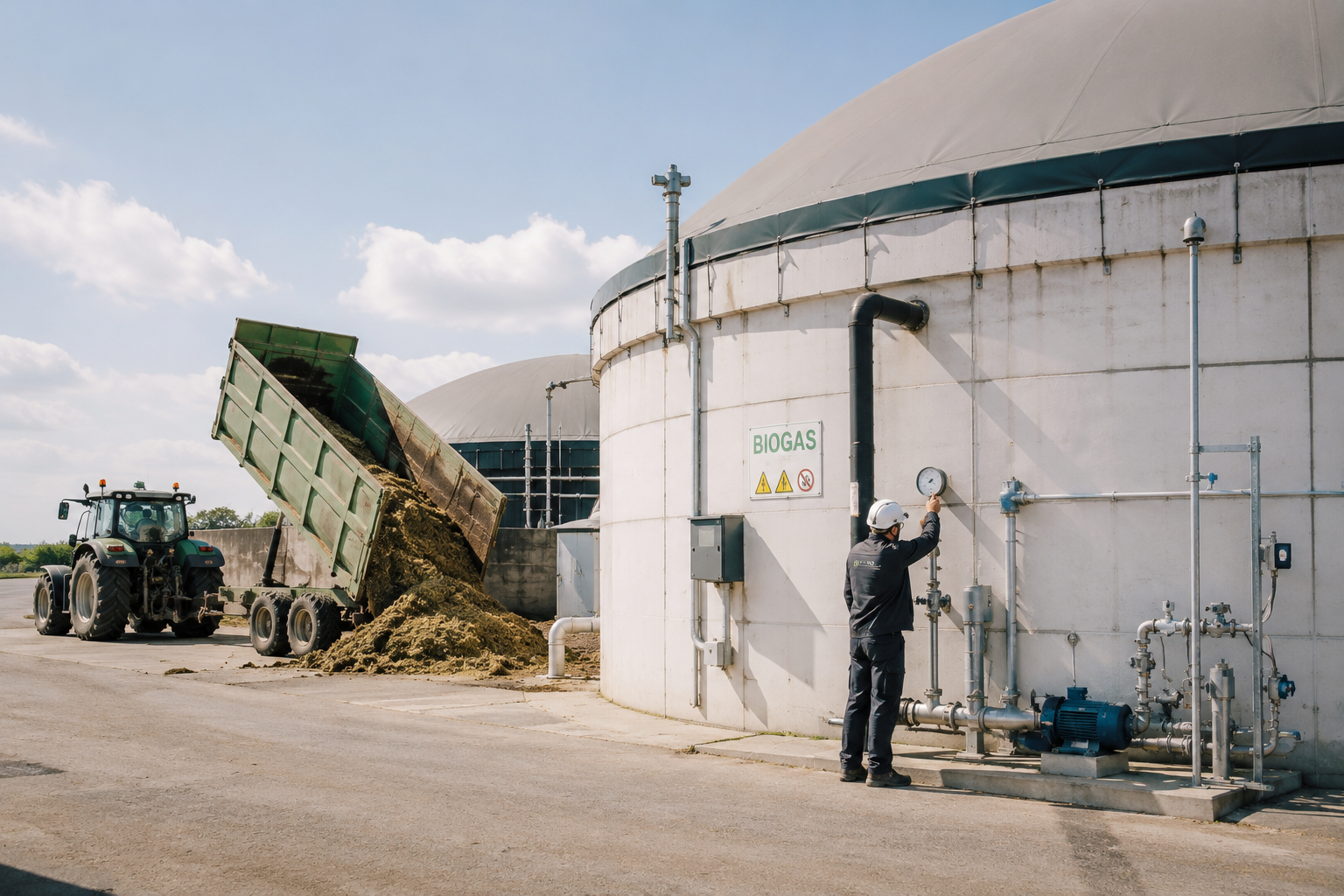
One of biogas technology's greatest strengths is its ability to process a wide variety of organic waste materials. Agricultural residues, food waste, sewage sludge, and energy crops can all serve as feedstock for biogas production. This versatility makes biogas systems adaptable to local waste streams and economic conditions.
Common Biogas Feedstocks
- Agricultural Waste: Crop residues, animal manure, silage
- Food Waste: Restaurant scraps, expired food products
- Municipal Waste: Sewage sludge, organic fraction of solid waste
- Industrial Waste: Food processing byproducts, brewery waste
Advanced Digester Technologies
Modern biogas plants employ sophisticated digester designs to optimize gas production. Continuous stirred-tank reactors (CSTR) maintain optimal mixing and temperature conditions, while plug-flow digesters are ideal for high-solids feedstocks like animal manure.
Two-stage digestion systems separate the acidification and methanogenesis phases, allowing for better process control and higher gas yields. These advanced systems can achieve biogas production rates 20-30% higher than conventional single-stage digesters.
Environmental Benefits Beyond Energy
Biogas systems provide multiple environmental benefits beyond renewable energy generation. By capturing methane that would otherwise be released into the atmosphere, biogas plants significantly reduce greenhouse gas emissions. Methane is 25 times more potent than CO2 as a greenhouse gas, making its capture particularly valuable for climate protection.
The digestate remaining after biogas production is a nutrient-rich fertilizer that can replace synthetic fertilizers, reducing the energy and emissions associated with fertilizer production. This closed-loop system exemplifies the principles of circular economy.
Economic Opportunities for Rural Communities
Biogas projects create significant economic opportunities, particularly in rural areas. Farmers can generate additional income by processing their own waste and that of neighboring operations. The stable, long-term revenue from biogas sales provides economic security and can help maintain the viability of agricultural operations.
Community-scale biogas projects can process waste from multiple sources, creating economies of scale while providing local energy security. These projects often create jobs in construction, operation, and maintenance, contributing to rural economic development.
Industrial Applications and Scaling
Large-scale industrial biogas plants are being developed to process municipal solid waste and industrial organic waste streams. These facilities can generate significant amounts of renewable energy while diverting waste from landfills, addressing two environmental challenges simultaneously.
Food processing industries are increasingly adopting on-site biogas systems to manage their organic waste streams. Breweries, dairy processors, and meat packing plants can achieve energy self-sufficiency while reducing waste disposal costs.
Biogas Upgrading and Grid Injection
Advanced biogas upgrading technologies can purify biogas to pipeline-quality biomethane. These systems remove CO2, hydrogen sulfide, and other impurities, producing a gas that meets natural gas pipeline specifications. This upgraded biomethane can be transported over long distances and used in any application that currently uses natural gas.
Grid injections of biomethane are becoming increasingly common in Europe and is gaining traction in North America. This approach allows biogas producers to access larger markets and provides a renewable alternative to fossil natural gas.
Integration with Other Renewable Technologies
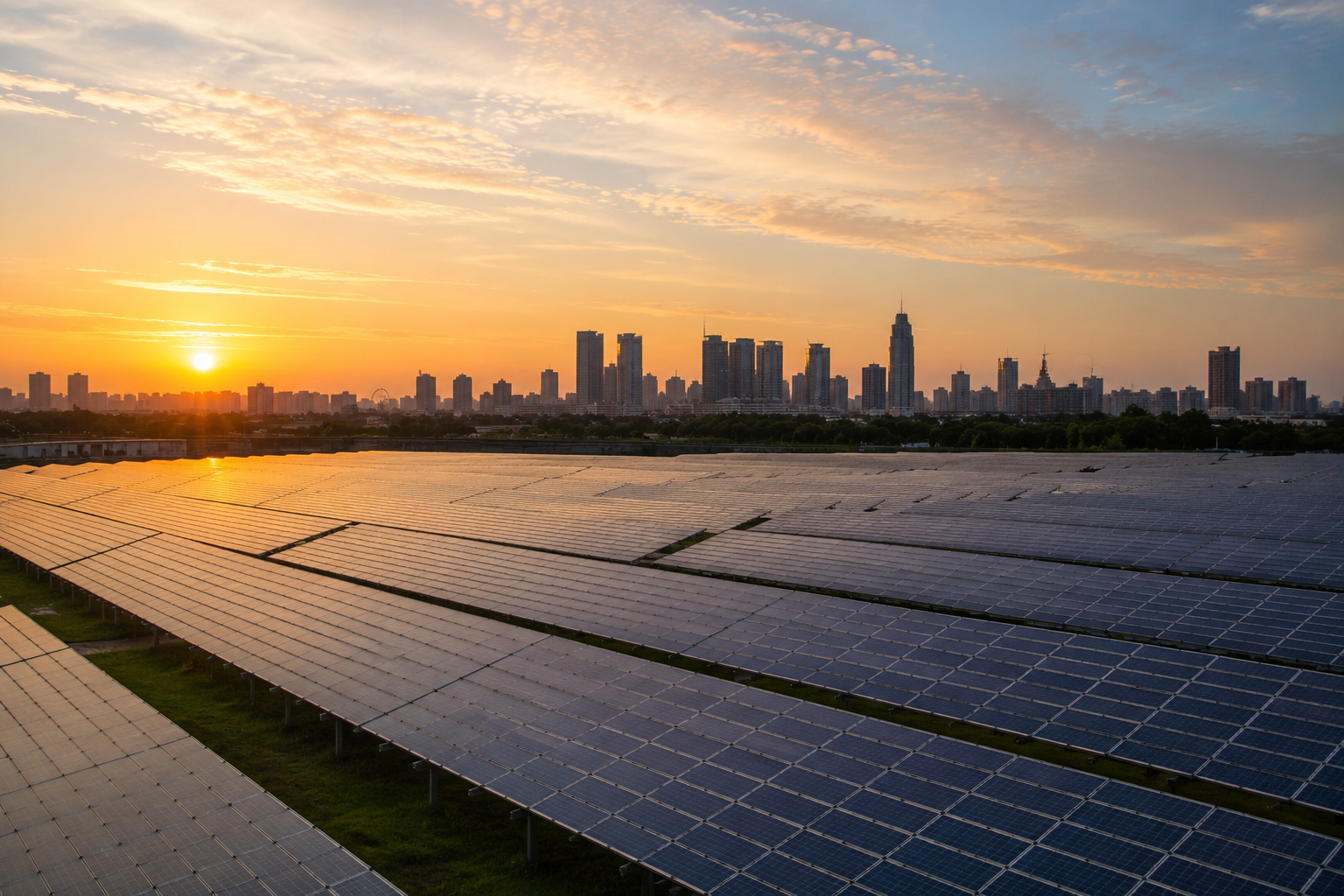
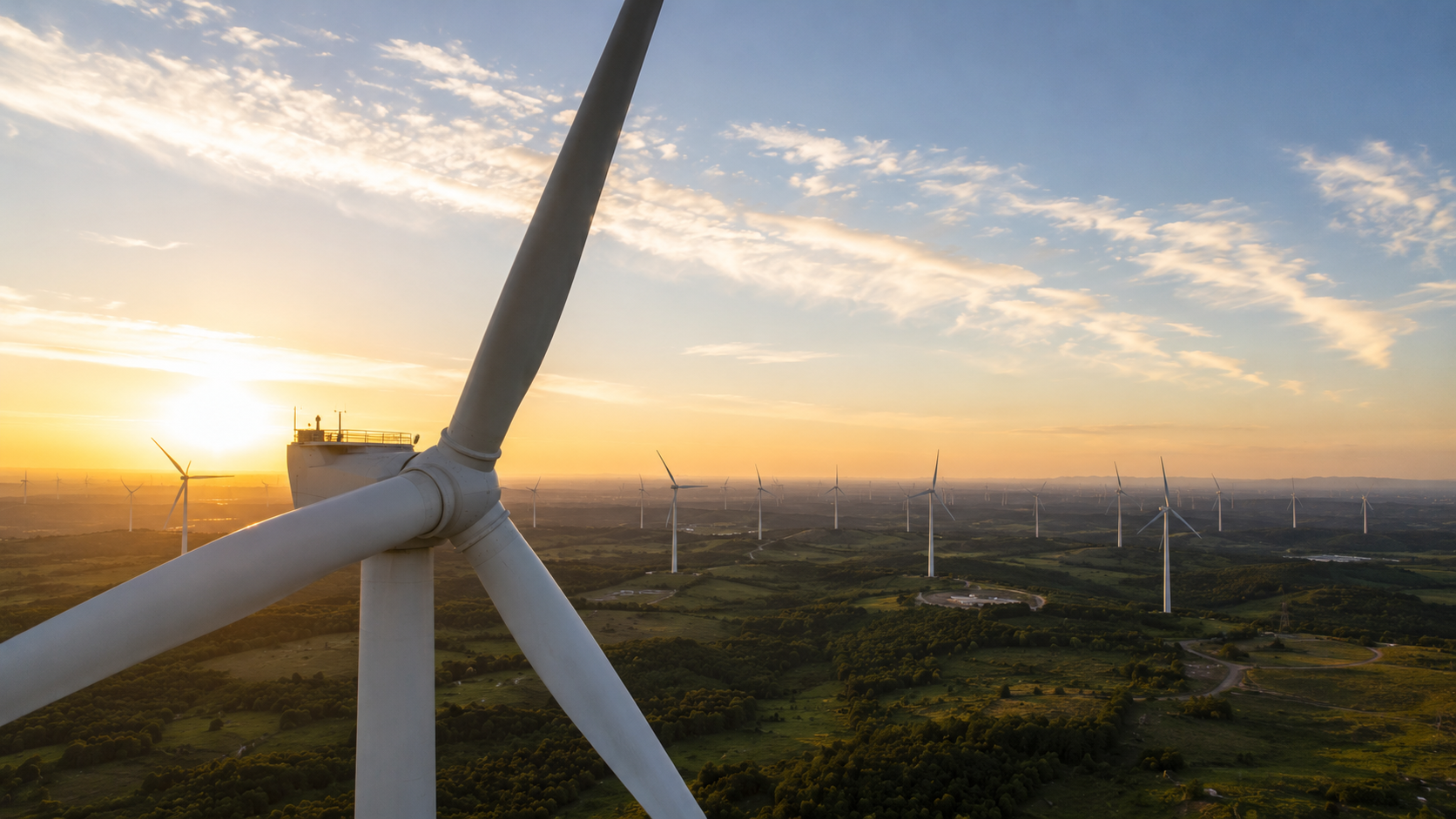
Biogas systems complement other renewable energy technologies by providing dispatchable power that can be generated on demand. Unlike solar and wind power, biogas plants can operate continuously, providing baseload renewable energy and grid stability services.
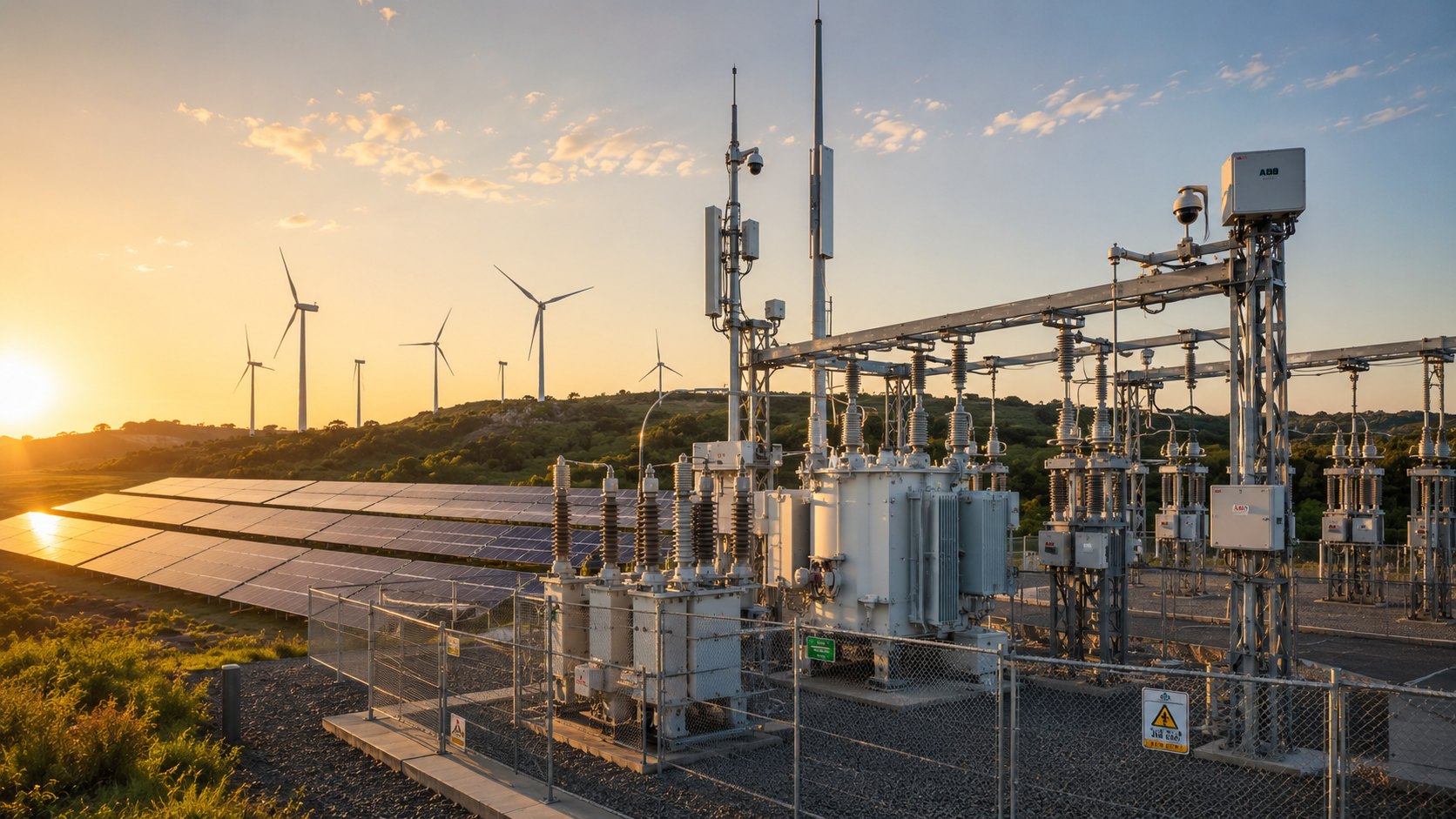
Hybrid systems combining biogas with solar or wind power can provide comprehensive renewable energy solutions. Excess renewable electricity can be used to power biogas upgrading equipment or produce hydrogen through electrolysis, creating integrated clean energy systems.
Future Innovations and Market Outlook
Emerging technologies are expanding biogas applications and improving efficiency. Microbial fuel cells can generate electricity directly from organic waste, while advanced pretreatment methods can increase gas yields from challenging feedstocks.
The global biogas market is projected to grow significantly as governments implement policies to reduce organic waste disposal and increase renewable energy production. Carbon pricing mechanisms are making biogas projects increasingly attractive by monetizing their greenhouse gas reduction benefits.