Wind energy continues to be one of the fastest-growing renewable energy sources globally. With technological advances and decreasing costs, wind power is becoming increasingly competitive with traditional fossil fuels, driving unprecedented expansion across both onshore and offshore markets.
Global Wind Energy Growth
The global wind energy market has experienced remarkable growth, with over 77 GW of new capacity added in 2023 alone. This represents a 50% increase from the previous year, demonstrating the accelerating adoption of wind technology worldwide.
China continues to lead in wind energy installations, accounting for nearly 50% of global additions, followed by the United States, Brazil, and several European nations. The diversification of wind energy adoption across different continents indicates the technology's universal applicability and economic viability.
Offshore Wind Revolution
Offshore wind energy is experiencing a revolutionary period, with floating wind turbine technology opening previously inaccessible deep-water locations. These floating platforms can be deployed in waters over 60 meters deep, significantly expanding the potential for offshore wind development.
Offshore Wind Milestones 2024
- First commercial floating wind farm operational in Scotland
- 30 MW turbines now standard for new offshore projects
- Offshore wind costs decreased by 35% since 2020
- Over 100 GW of offshore wind in development pipeline
Technological Innovations
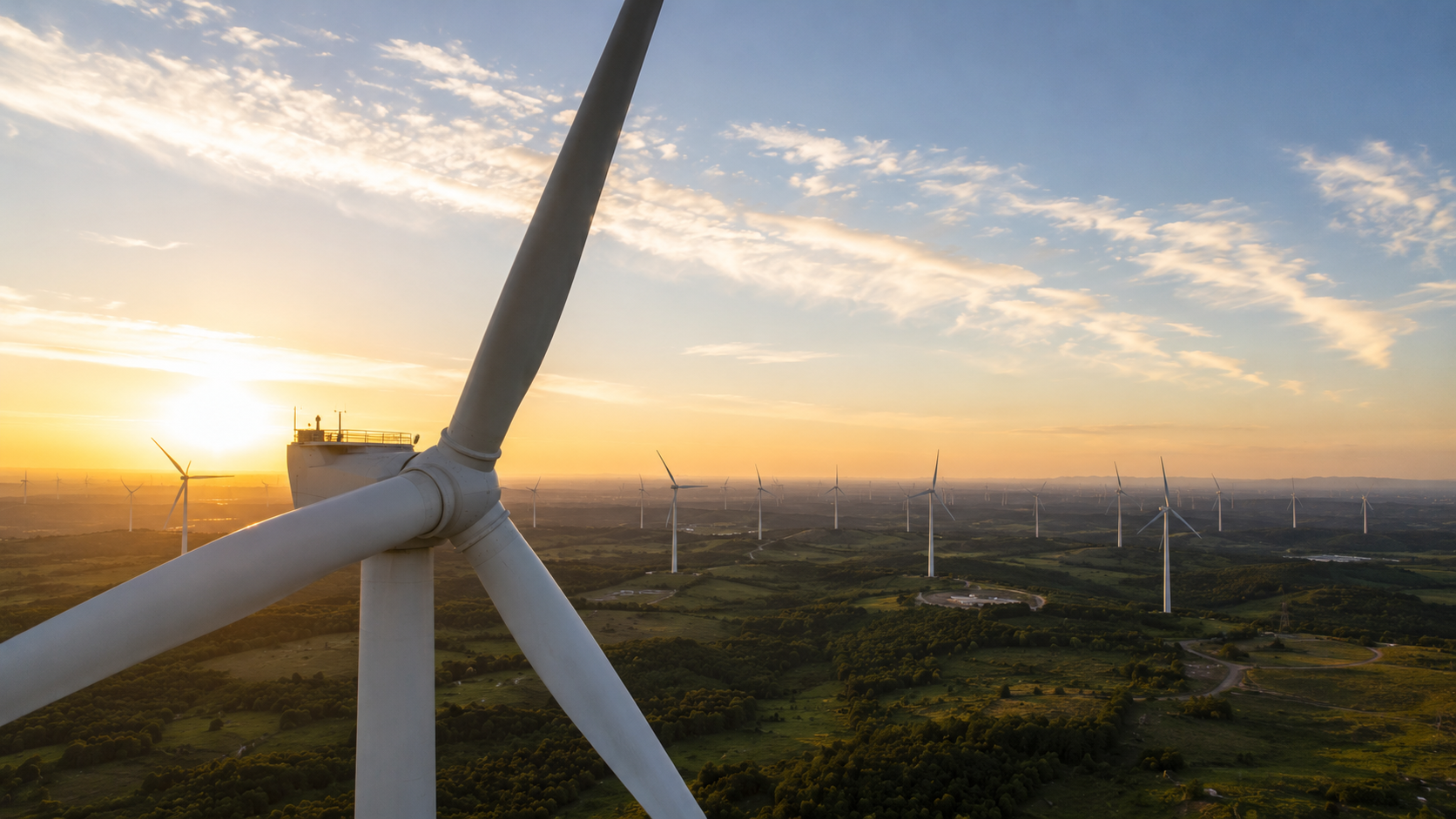
Modern wind turbines have grown significantly in size and efficiency. The latest generation of turbines feature rotors exceeding 200 meters in diameter and can generate up to 30 MW of power each. These larger turbines capture more wind energy and operate more efficiently across a wider range of wind speeds.
Advanced materials and aerodynamic designs have improved turbine reliability and reduced maintenance requirements. Smart sensors and AI-powered predictive maintenance systems now monitor turbine performance in real-time, optimizing energy output and preventing costly breakdowns.
Economic Impact and Job Creation
The wind energy sector has become a significant economic driver, supporting over 1.3 million jobs globally. Manufacturing, installation, and maintenance of wind turbines create employment opportunities across various skill levels, from specialized engineering roles to local construction jobs.
Rural communities particularly benefit from wind energy development through land lease payments to farmers and property tax revenue for local governments. A typical wind farm can generate millions of dollars in economic benefits for local communities over its operational lifetime.
Grid Integration and Storage
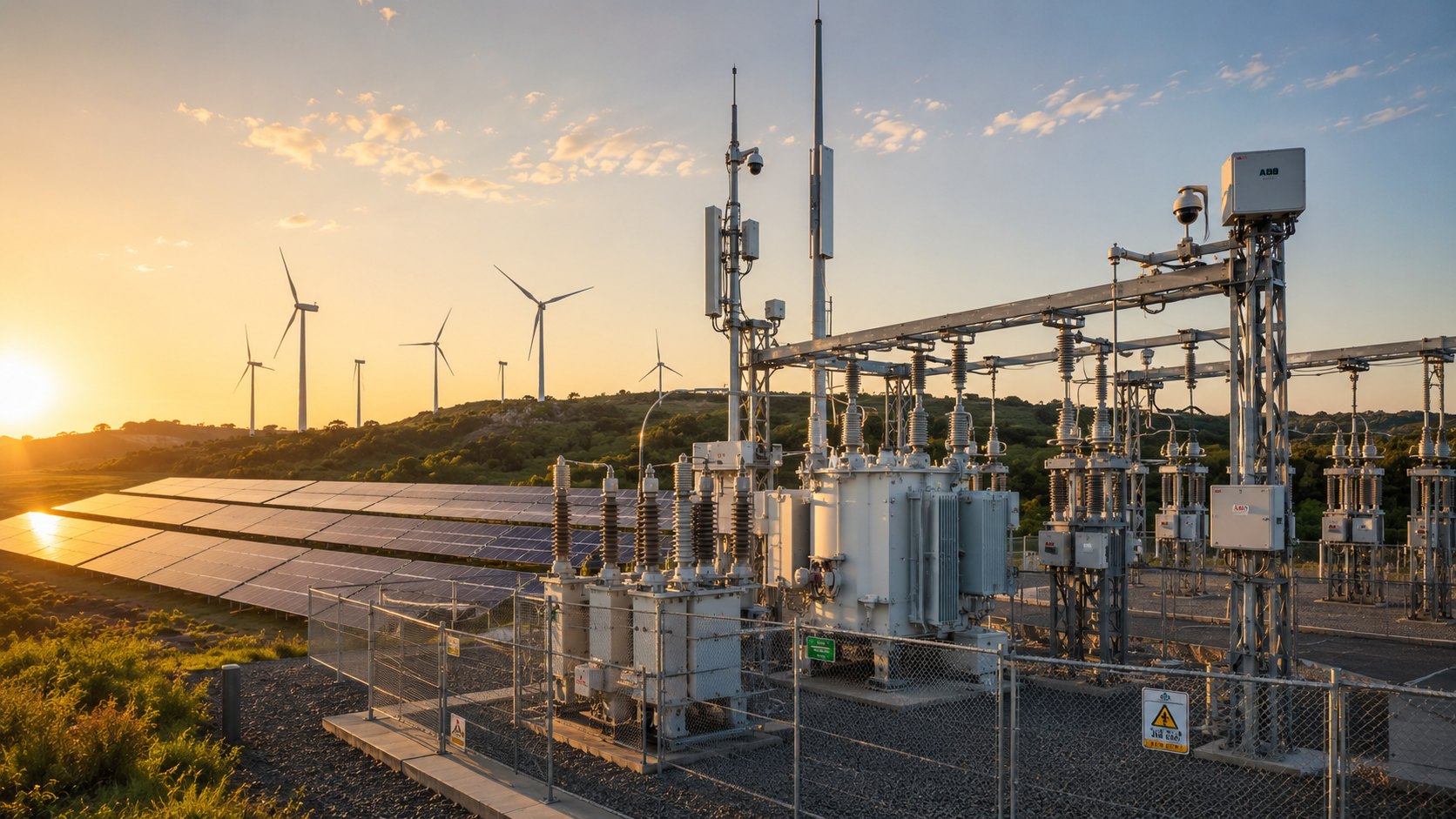
The integration of wind energy with advanced grid management systems and energy storage solutions has addressed traditional concerns about wind power's intermittency. Smart grid technologies now enable better forecasting and management of wind energy output.
Large-scale battery storage systems are increasingly being co-located with wind farms, allowing excess energy to be stored during high wind periods and released when demand peaks or wind speeds are low.
Environmental Benefits
Wind energy's environmental benefits extend beyond carbon emission reductions. A single modern wind turbine can offset its manufacturing carbon footprint within 6-8 months of operation and continue producing clean energy for 20-25 years.
The wind industry has also made significant strides in turbine recycling, with new technologies enabling the recycling of composite turbine blades, addressing one of the sector's key sustainability challenges.