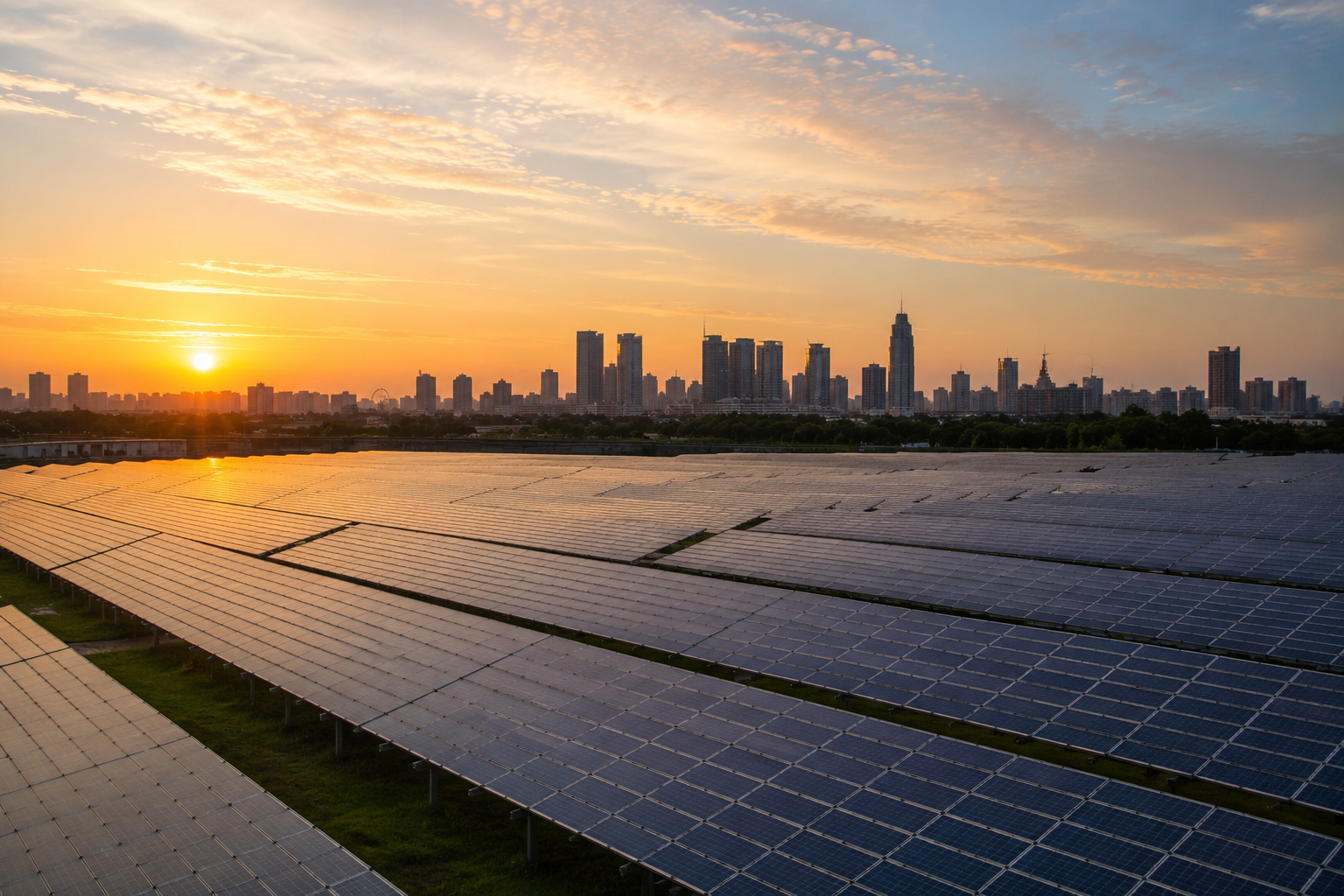
The solar energy industry is experiencing unprecedented growth and innovation in 2024. From revolutionary photovoltaic technologies to advanced energy storage solutions, we're witnessing breakthroughs that promise to reshape the renewable energy landscape forever.
Revolutionary Photovoltaic Technologies
Perovskite-silicon tandem solar cells have achieved record-breaking efficiency rates of over 33% in laboratory conditions, representing a significant leap from traditional silicon panels. These next-generation cells combine the stability of silicon with the exceptional light-absorption properties of perovskite materials.
Major manufacturers are now scaling up production of these advanced cells, with commercial availability expected by late 2024. This technology promises to reduce the cost per watt of solar energy by up to 40% while significantly improving energy output per square meter.
Advanced Energy Storage Integration
The integration of solar panels with advanced battery storage systems has reached new levels of sophistication. Lithium iron phosphate (LiFePO4) batteries now offer 15–20-year lifespans with minimal degradation, making solar-plus-storage systems more economically viable than ever.
Key Statistics for 2024
- Solar panel efficiency increased by 15% compared to 2023
- Installation time reduced by 30% with new mounting systems
- Grid integration improved with smart inverter technology
Smart Grid Integration
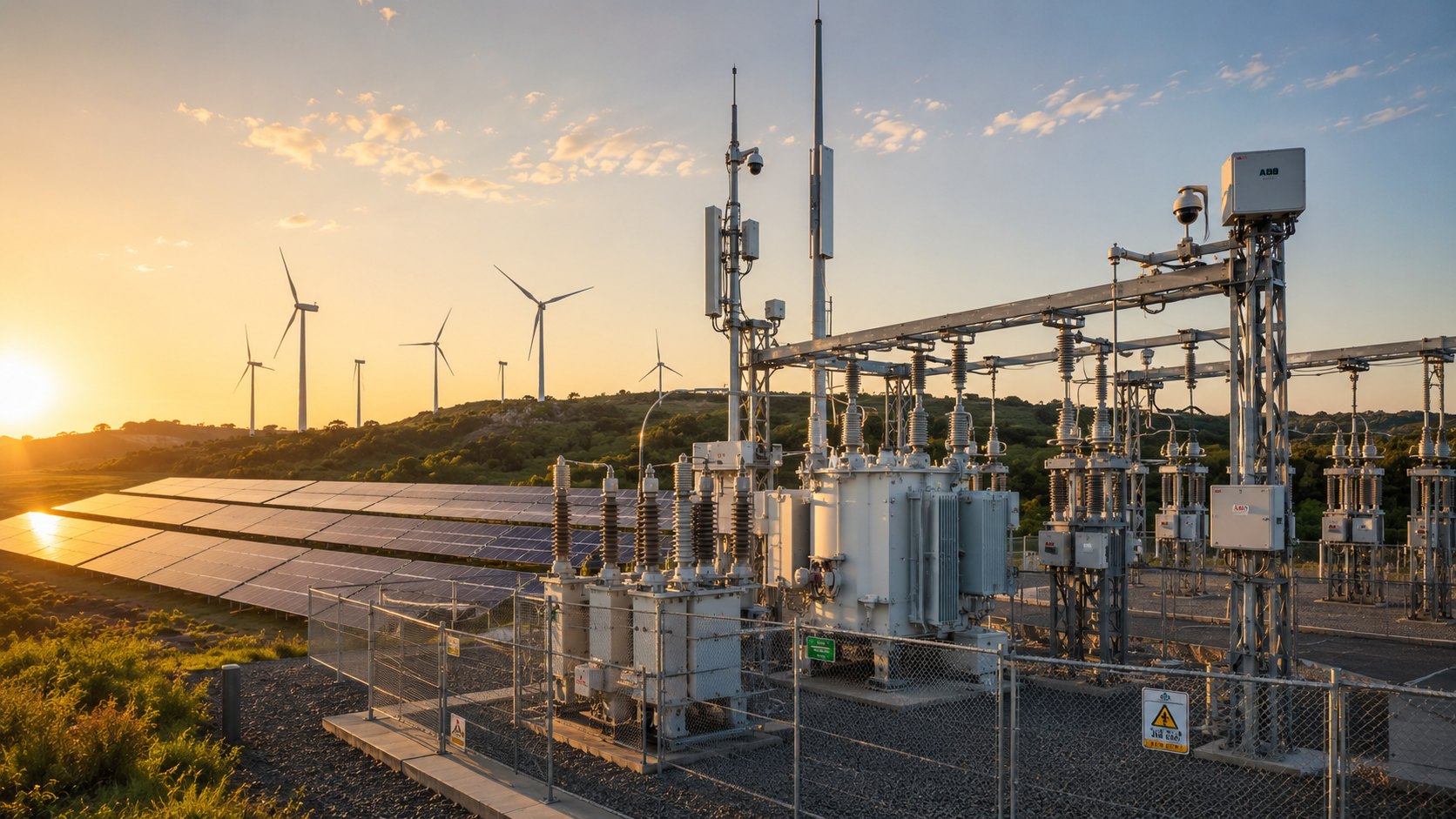
Modern solar installations now feature intelligent grid-tie systems that can automatically adjust energy production and storage based on real-time grid conditions. These smart systems help stabilize the electrical grid while maximizing the economic benefits for solar system owners.
Vehicle-to-grid (V2G) technology is also becoming more prevalent, allowing electric vehicles to serve as mobile energy storage units that can feed power back into the grid during peak demand periods.
Environmental Impact and Sustainability
The environmental benefits of solar energy continue to compound. A typical residential solar installation now prevents approximately 4-5 tons of CO2 emissions annually, equivalent to planting 100-125 trees each year.
Manufacturing processes have also become more sustainable, with leading solar panel manufacturers achieving carbon-neutral production facilities and implementing comprehensive recycling programs for end-of-life panels.
Looking Ahead: What's Next?
The future of solar energy looks brighter than ever. Emerging technologies like transparent solar cells for windows, flexible panels for curved surfaces, and space-based solar power collection are moving from concept to reality.
As costs continue to decline and efficiency improves, solar energy is positioned to become the dominant source of electricity generation worldwide by 2030. The innovations we're seeing today lay the foundation for a truly sustainable energy future.