Smart grid technology represents a fundamental transformation in how we generate, distribute, and consume electricity. By integrating advanced digital communication and automation technologies with traditional power infrastructure, smart grids are creating a more efficient, reliable, and sustainable energy system.
What Makes a Grid "Smart"?
A smart grid uses digital technology to monitor and manage the flow of electricity from all generation sources to meet the varying electricity demands of end users. Unlike traditional grids that operate on a one-way flow of electricity, smart grids enable two-way communication between utilities and consumers.
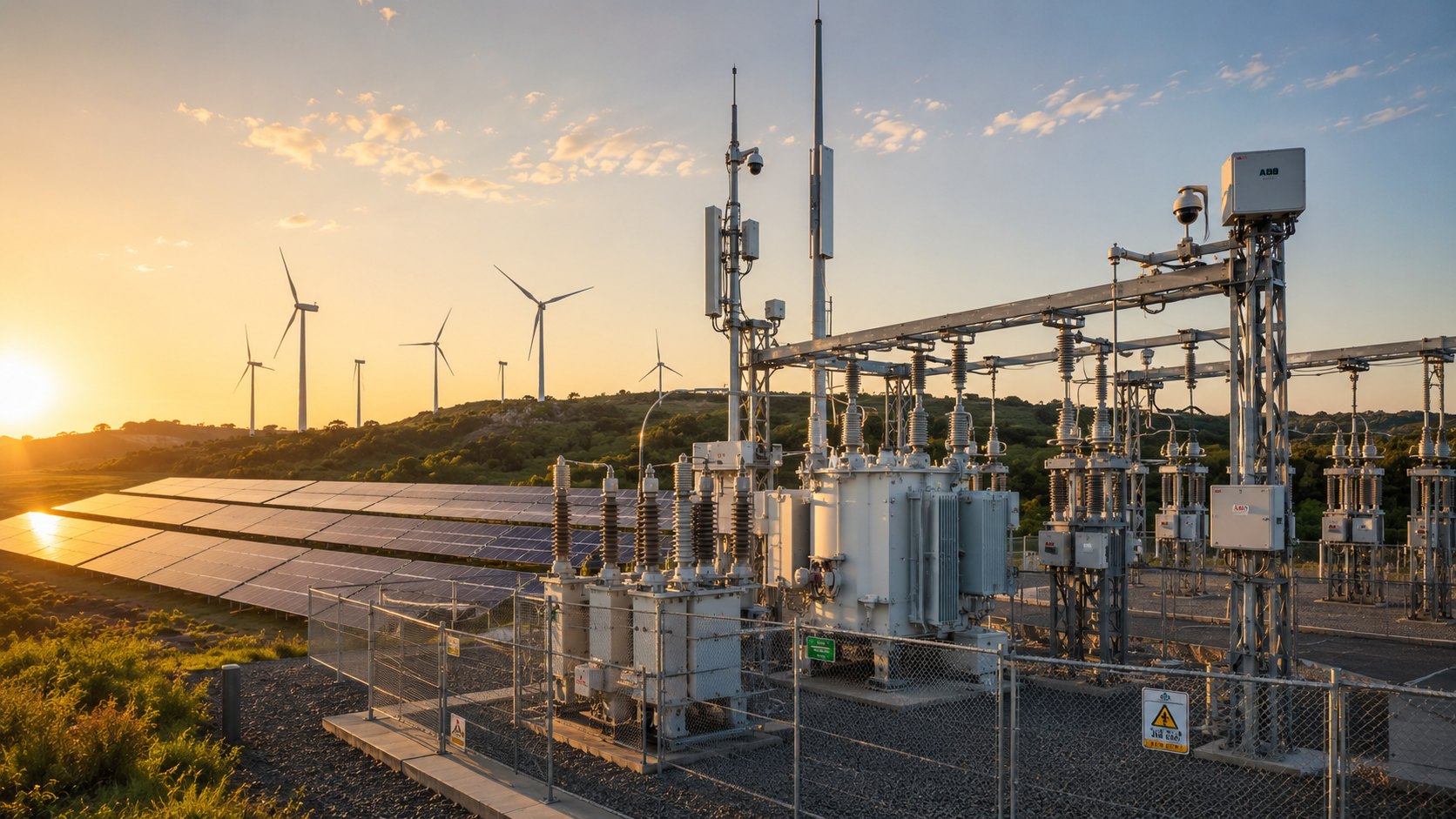
Key components include smart meters, sensors, automated controls, and advanced analytics software that work together to optimize grid performance in real-time. This intelligence allows the grid to automatically detect and respond to local changes in usage, preventing outages and improving overall efficiency.
Advanced Metering Infrastructure (AMI)
Smart meters are the foundation of smart grid technology, providing real-time data on energy consumption patterns. These devices enable utilities to monitor usage remotely, detect outages instantly, and provide consumers with detailed information about their energy consumption.
Smart Meter Benefits
- Real-time energy usage monitoring and alerts
- Automatic outage detection and faster restoration
- Time-of-use pricing for cost optimization
- Remote meter reading eliminates manual visits
- Enhanced data for energy efficiency programs
Grid Automation and Self-Healing
One of the most impressive features of smart grids is their ability to self-diagnose and automatically correct problems. Advanced sensors throughout the grid continuously monitor system health, detecting issues like equipment failures, overloads, or voltage irregularities.
When problems are detected, automated switching systems can isolate affected areas and reroute power through alternative pathways, often restoring service within minutes rather than hours. This self-healing capability significantly improves grid reliability and reduces the duration of power outages.
Renewable Energy Integration
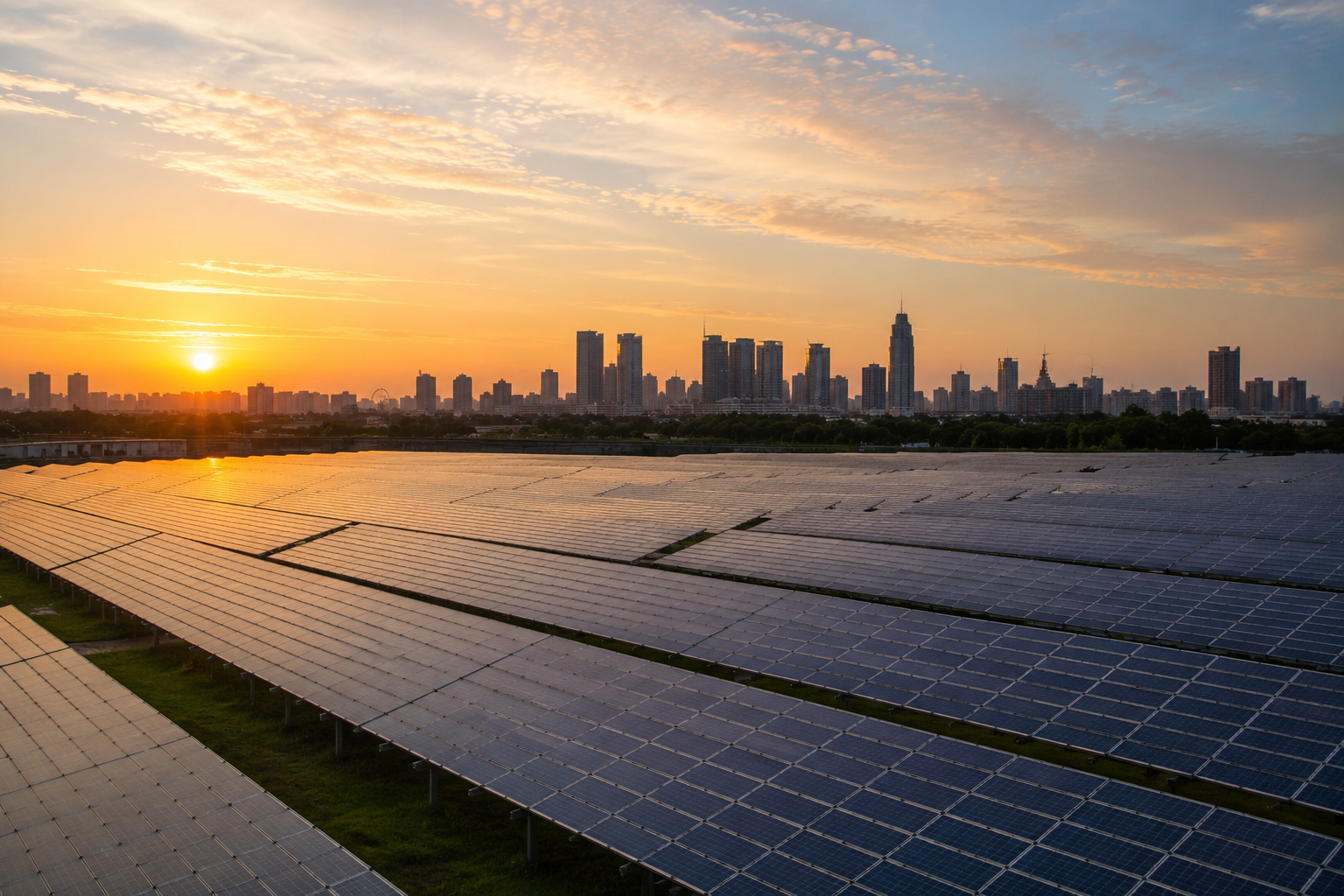
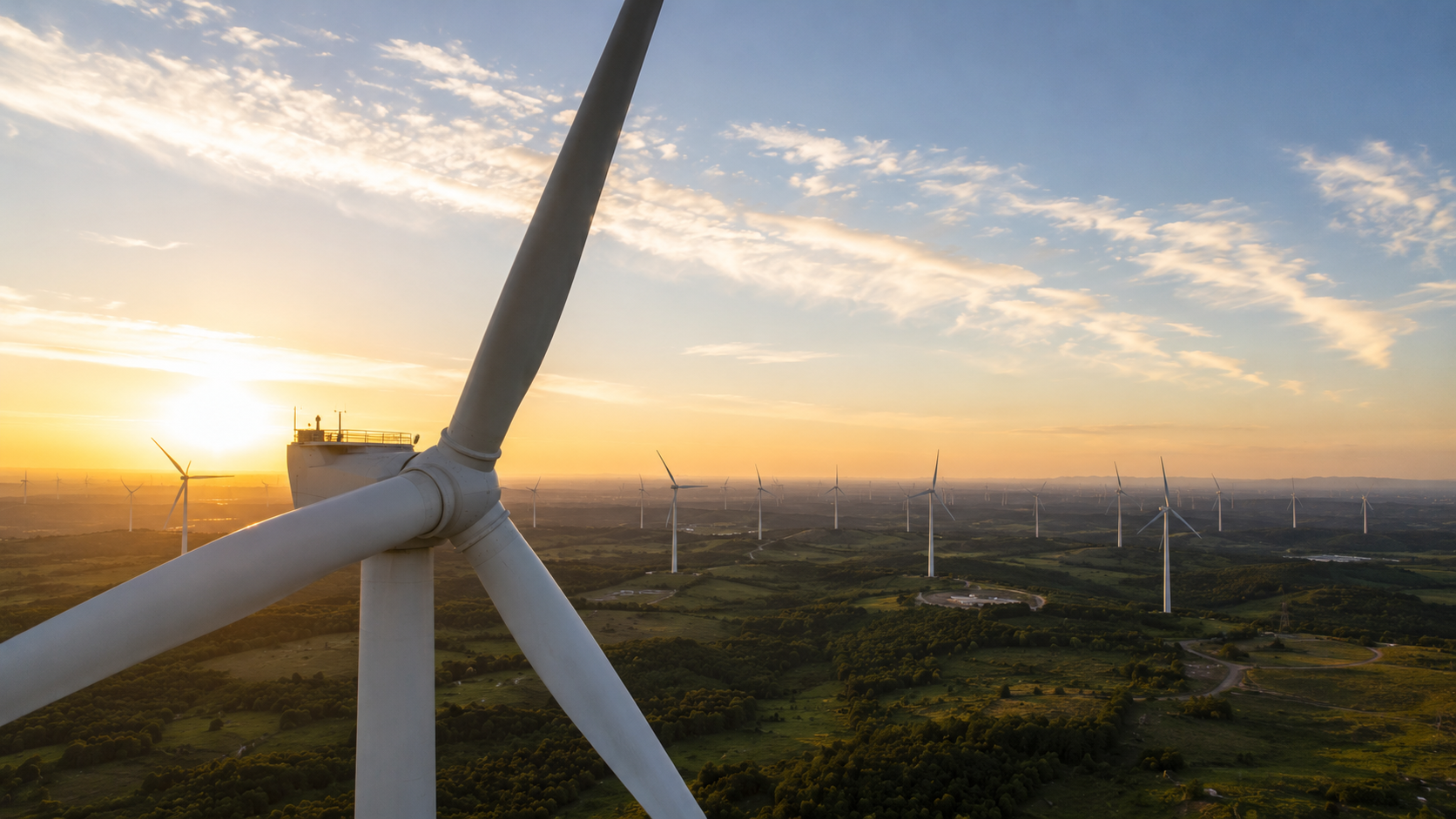
Smart grids are essential for integrating large amounts of renewable energy sources like solar and wind power. Traditional grids struggle with the variable nature of renewable energy, but smart grids can predict and manage these fluctuations through advanced forecasting and real-time balancing.
Distributed energy resources, including rooftop solar panels and small wind turbines, can feed excess power back into the grid. Smart grid technology manages this bidirectional flow of electricity, ensuring grid stability while maximizing the use of clean energy.
Demand Response Programs
Smart grids enable sophisticated response programs that help balance electricity supply and demand. During peak usage periods, utilities can automatically adjust certain appliances or systems participating in homes and businesses to reduce overall demand.
Consumers benefit from these programs through reduced electricity bills, while utilities avoid the need to activate expensive peak power plants. This creates a win-win situation that improves grid efficiency and reduces environmental impact.
Cybersecurity Considerations
As grids become more connected and digital, cybersecurity becomes increasingly important. Smart grid systems incorporate multiple layers of security, including encryption, authentication protocols, and continuous monitoring for suspicious activities.
Utilities are investing heavily in cybersecurity infrastructure and working with government agencies to develop standards and best practices for protecting critical energy infrastructure from cyber threats.
Economic and Environmental Impact
Smart grid investments are delivering significant economic benefits. Studies show that smart grid technologies can reduce electricity losses by 2-5%, improve asset utilization by 10-15%, and reduce peak demand by 5-10% through demand response programs.
From an environmental perspective, smart grids enable greater renewable energy integration, reduce the need for backup power plants, and help consumers make more informed decisions about their energy usage, leading to overall reductions in carbon emissions.