
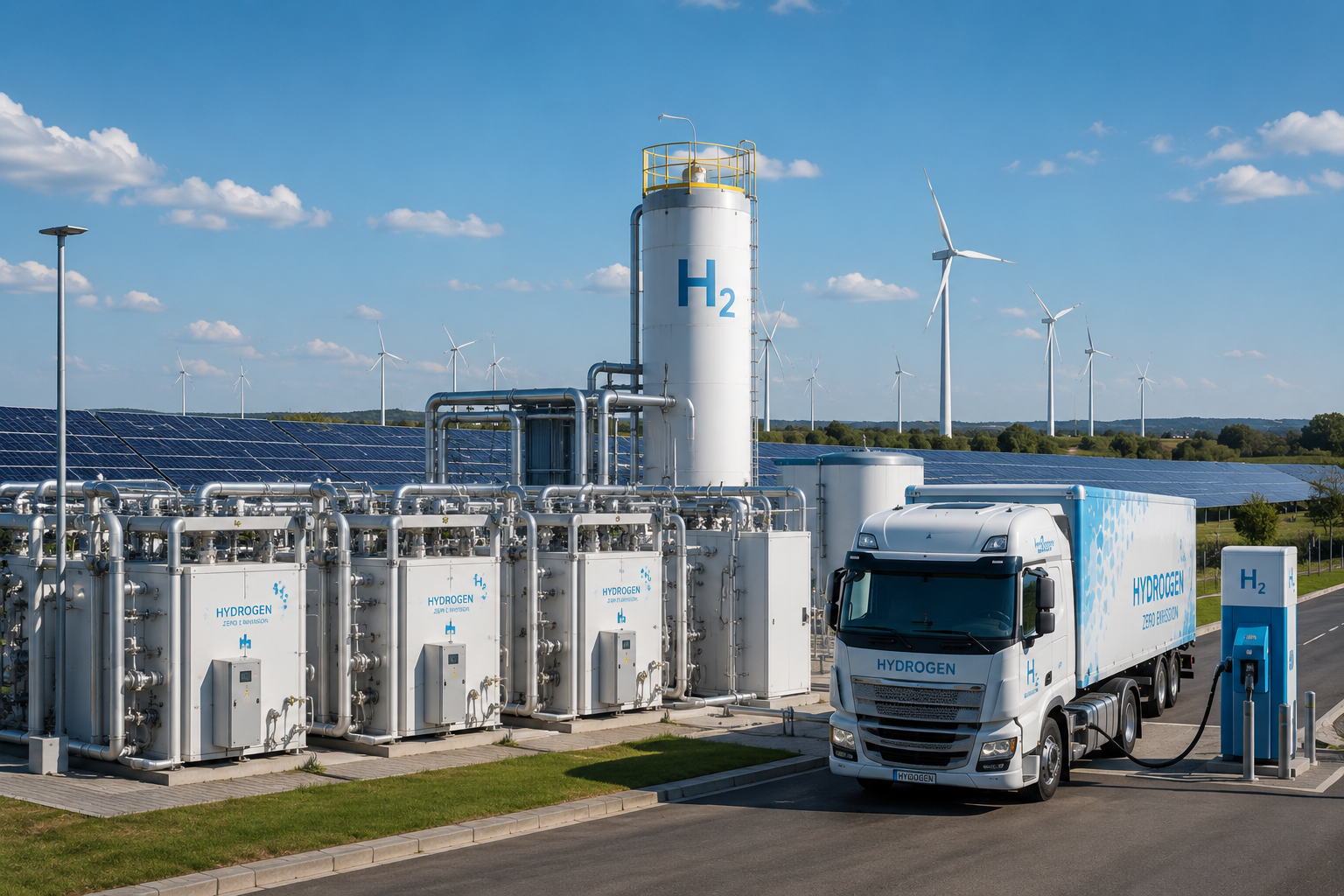
Hydrogen energy is emerging as a cornerstone of the global clean energy transition. As the most abundant element in the universe, hydrogen offers unprecedented potential as a clean fuel that produces only water when consumed, making it a critical solution for decarbonizing heavy industry, transportation, and energy storage.
The Hydrogen Advantage
Unlike fossil fuels, hydrogen combustion produces zero carbon emissions at the point of use. When produced using renewable energy sources through electrolysis, hydrogen becomes a completely clean fuel cycle. This "green hydrogen" represents the holy grail of sustainable energy, offering a way to store and transport renewable energy across vast distances and time periods.
Hydrogen's energy density by weight is three times higher than gasoline, making it particularly attractive for applications where weight is critical, such as aviation, shipping, and long-haul transportation. Its versatility allows it to be used directly as a fuel, converted to electricity through fuel cells, or used as a feedstock for industrial processes.
Production Methods and Technologies
Currently, most hydrogen is produced through steam methane reforming (SMR), which generates significant CO2 emissions. However, the industry is rapidly transitioning toward cleaner production methods. Electrolysis, which splits water into hydrogen and oxygen using electricity, is becoming increasingly cost-competitive as renewable energy prices decline.
Hydrogen Production Methods
- Green Hydrogen: Produced using renewable energy electrolysis
- Blue Hydrogen: Natural gas with carbon capture and storage
- Turquoise Hydrogen: Methane pyrolysis producing solid carbon
- Pink Hydrogen: Electrolysis powered by nuclear energy
Industrial Applications
Heavy industries such as steel production, cement manufacturing, and chemical processing are among the most challenging sectors to decarbonize. Hydrogen offers a viable pathway for these industries to reduce their carbon footprint significantly. In steel production, hydrogen can replace coal as a reducing agent, potentially eliminating up to 95% of CO2 emissions from the steelmaking process.
The chemical industry uses hydrogen as a feedstock for producing ammonia, methanol, and other essential chemicals. As green hydrogen becomes more available, these processes can become carbon-neutral, creating a ripple effect throughout the global supply chain.
Transportation Revolution
Hydrogen fuel cell vehicles (FCVs) are gaining traction in sectors where battery electric vehicles face limitations. Long-haul trucking, maritime shipping, and aviation are prime candidates for hydrogen adoption due to their need for high energy density and quick refueling capabilities.
Major automotive manufacturers have invested billions in hydrogen fuel cell technology. Hydrogen trucks can achieve ranges of 400-500 miles with refueling times of just 10-15 minutes, making them ideal for commercial applications where downtime must be minimized.
Energy Storage and Grid Balancing
One of hydrogen's most promising applications is long-term energy storage. While batteries excel at short-term storage, hydrogen can store energy for weeks or months with minimal losses. This capability is crucial for balancing seasonal variations in renewable energy production.
Power-to-gas systems can convert excess renewable electricity into hydrogen during periods of high generation, then reconvert it to electricity when demand peaks or renewable output is low. This technology enables much higher penetration of variable renewable energy sources in the grid.
Infrastructure Development
The development of hydrogen infrastructure is accelerating globally. Hydrogen refueling stations are being deployed in key corridors, while pipeline networks are being adapted or constructed to transport hydrogen over long distances. The existing natural gas infrastructure can be partially repurposed for hydrogen transport with appropriate modifications.
International hydrogen trade is emerging, with countries rich in renewable resources planning to export green hydrogen to energy-importing nations. This could reshape global energy geopolitics, creating new trade relationships based on clean energy resources.
Economic Outlook and Cost Trends
The cost of green hydrogen production has declined by 50% since 2015 and is projected to fall another 30% by 2030. This cost reduction is driven by falling renewable energy prices, improving electrolyze efficiency, and economies of scale in manufacturing.
Government policies and incentives are accelerating hydrogen adoption. The European Union's hydrogen strategy aims to install 40 GW of renewable hydrogen electrolyzes by 2030, while countries like Japan, South Korea, and Australia have committed billions to hydrogen development programs.