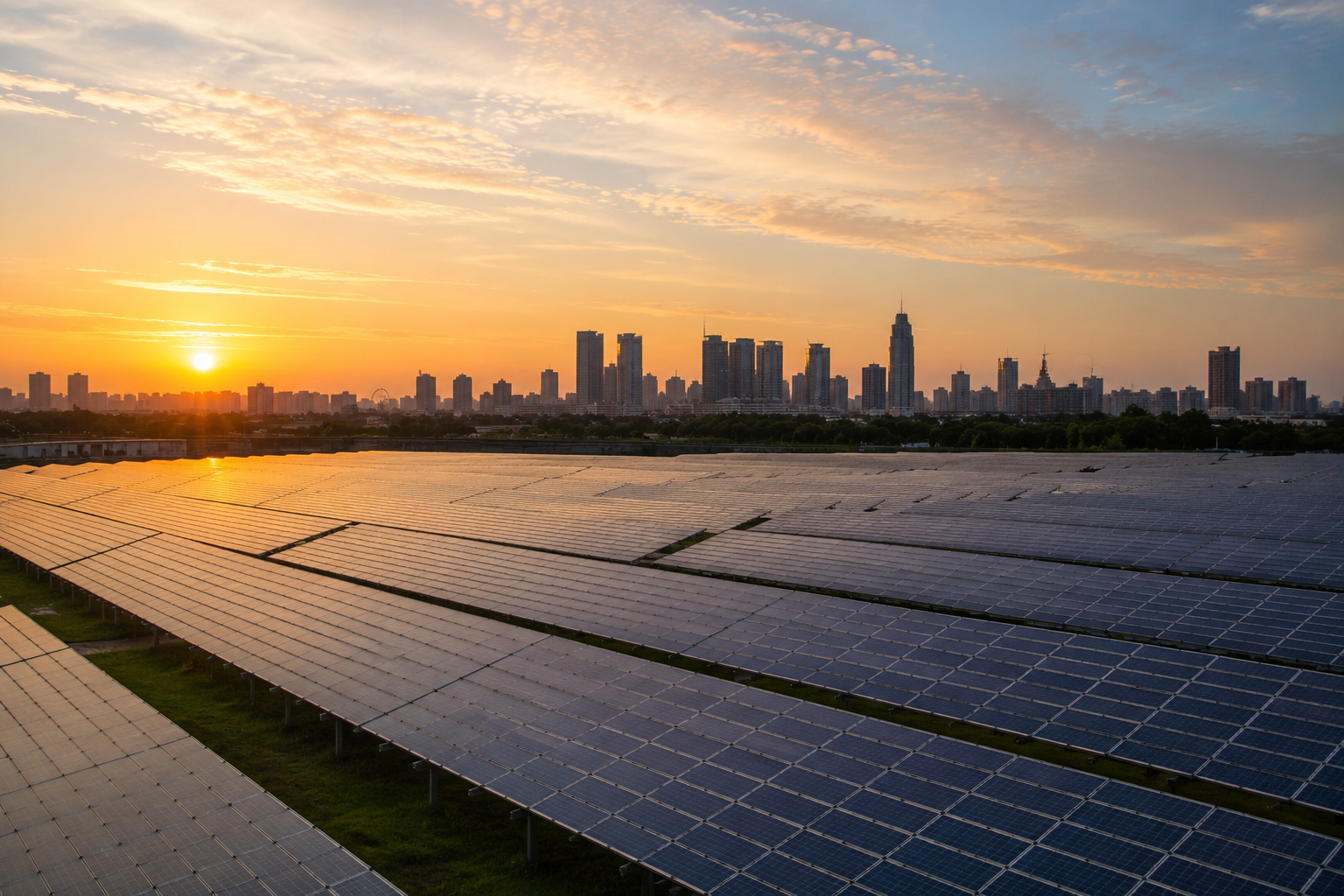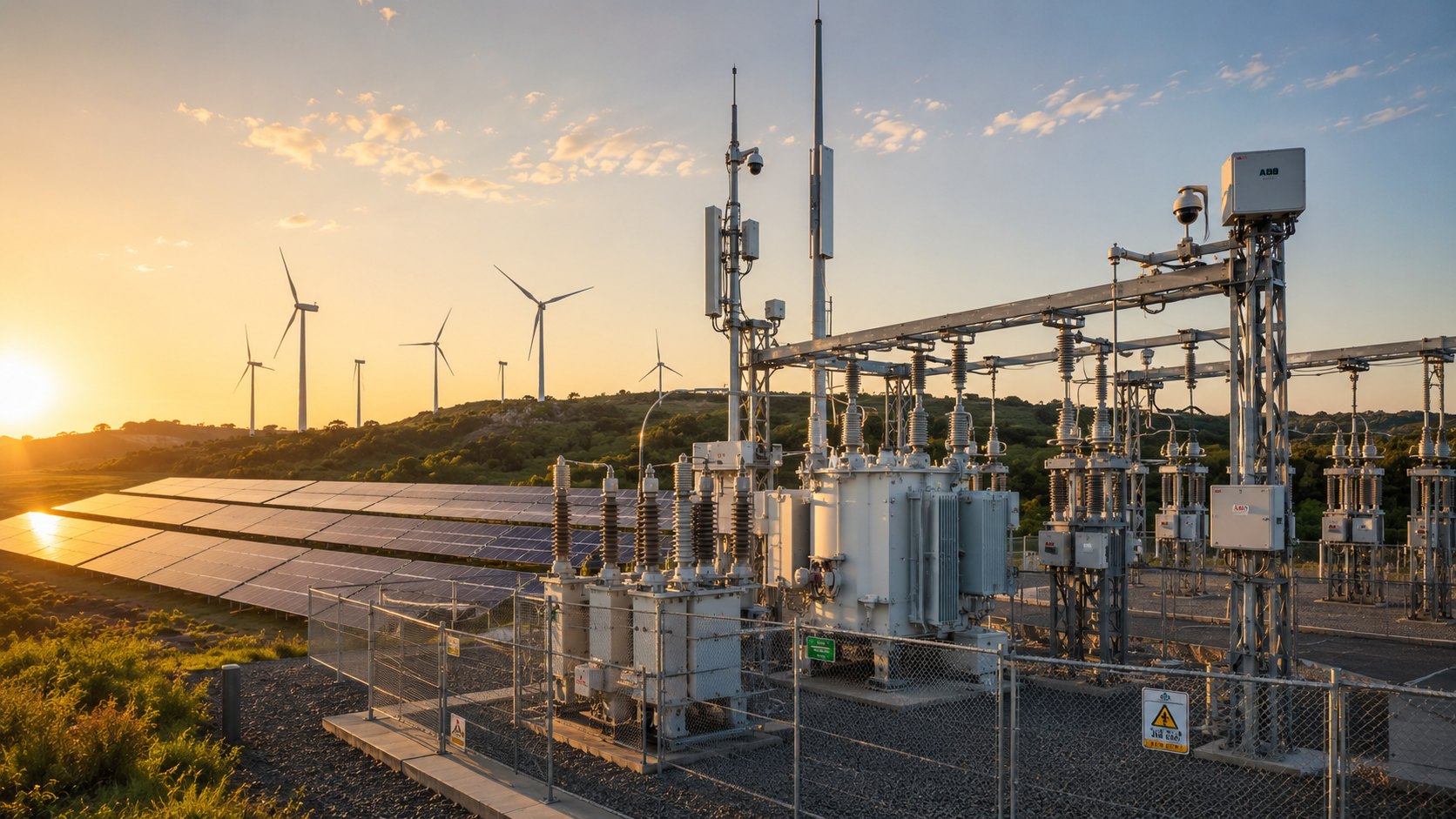
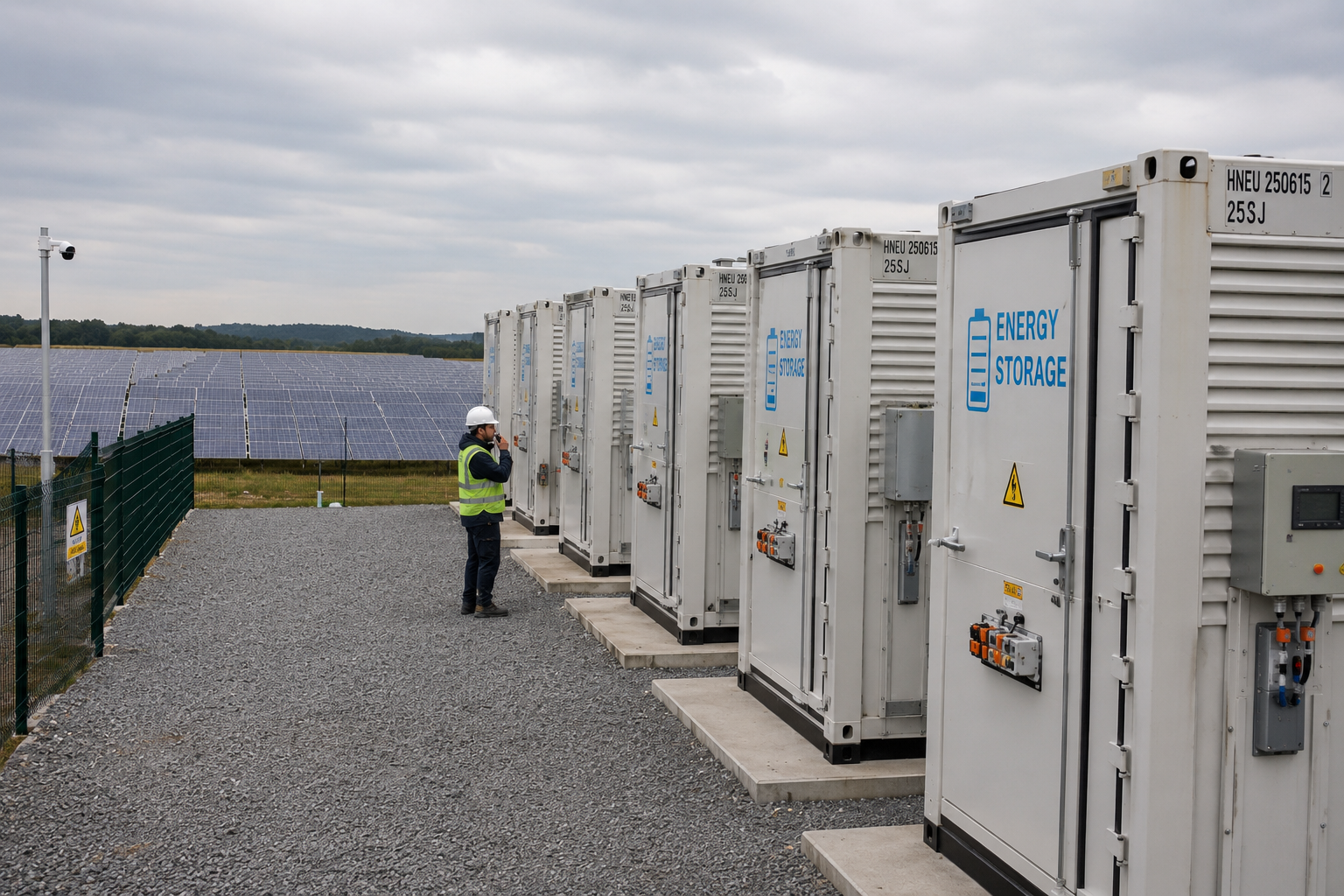
Energy storage is the missing link that will unlock the full potential of renewable energy. As solar and wind power become increasingly cost-competitive, the ability to store energy when the sun isn't shining and the wind isn't blowing becomes critical for achieving a fully sustainable energy system.
The Storage Revolution
The energy storage market is experiencing unprecedented growth, driven by declining battery costs and increasing renewable energy deployment. Lithium-ion battery costs have fallen by 90% over the past decade, making grid-scale storage economically viable for the first time.
This cost reduction has opened new applications for energy storage, from residential solar-plus storage systems to utility-scale installations that can provide grid services and backup power. The versatility of modern storage systems allows them to serve multiple functions simultaneously, maximizing their economic value.
Battery Technologies Leading the Way
Lithium-ion batteries currently dominate the energy storage market due to their high energy density, efficiency, and declining costs. However, different lithium-ion chemistries serve different applications. Lithium iron phosphate (LiFePO4) batteries offer exceptional safety and longevity, making them ideal for stationary storage applications.
Battery Technology Comparison
- Lithium Iron Phosphate: 15–20-year lifespan, high safety
- Lithium Nickel Manganese Cobalt: High energy density
- Sodium-ion: Lower cost, abundant materials
- Solid-state: Next-generation safety and performance
Beyond Lithium-Ion: Emerging Technologies
While lithium-ion batteries lead the market today, several emerging technologies promise to address specific storage challenges. Flow batteries offer unlimited cycling capability and long-duration storage, making them ideal for grid-scale applications requiring 8+ hours of storage.
Compressed air energy storage (CAES) and pumped hydro storage provide massive storage capacity for grid balancing. These technologies can store energy for weeks or months, complementing shorter-duration battery systems to provide comprehensive grid support.
Grid-Scale Applications
Utility-scale energy storage systems are transforming how electric grids operate. These systems can respond to grid conditions in milliseconds, providing frequency regulation, voltage support, and other ancillary services that maintain grid stability. This rapid response capability is particularly valuable as more variable renewable energy sources connect to the grid.
Peak shaving is another critical application, where storage systems discharge during periods of high electricity demand, reducing the need for expensive peaker plants. This not only saves money but also reduces emissions from fossil fuel plants that typically provide peak power.
Residential and Commercial Storage
Home energy storage systems are becoming increasingly popular, especially when paired with rooftop solar panels. These systems allow homeowners to store excess solar energy during the day and use it in the evening, maximizing self-consumption and reducing electricity bills.
Commercial and industrial customers are adopting storage systems to reduce demand charges, provide backup power, and participate in grid services programs. The ability to stack multiple revenue streams makes these systems increasingly attractive from a financial perspective.
Integration with Smart Grid Technologies
Modern energy storage systems are equipped with sophisticated control systems that enable them to participate in smart grid operations. These systems can automatically respond to price signals, grid conditions, and renewable energy forecasts to optimize their operation.
Vehicle-to-grid (V2G) technology represents an exciting frontier where electric vehicles serve as mobile storage units. As EV adoption accelerates, the collective battery capacity of parked vehicles could provide massive grid storage resources.
Environmental Impact and Sustainability
Energy storage systems enable higher penetration of renewable energy by addressing intermittency challenges. Studies show that storage can increase renewable energy utilization by 20-30%, significantly reducing carbon emissions from the electricity sector.
Battery recycling is becoming increasingly important as the first generation of large-scale storage systems reaches end-of-life. Advanced recycling processes can recover over 95% of valuable materials from spent batteries, creating a circular economy for battery materials.
Outlook and Market Trends
The global energy storage market is projected to grow by 25-30% annually through 2030, driven by renewable energy deployment, grid modernization, and electric vehicle adoption. This growth is creating opportunities for new technologies and business models.
Long-duration storage technologies are expected to play an increasingly important role as renewable energy penetration increases. These systems will enable seasonal energy storage, allowing excess summer solar production to be stored for winter use in some regions.